A world we
can shape.
The next internet begins with what someone wants to make possible.
“Help me understand this.” “Build a place for these people.” “Make this part of my life work better.” Behind every search, application, and unfinished project is an intention looking for a way forward.
Today, turning that intention into reality often means learning the shape of someone else’s software: finding the right app, assembling the right tools, and working around the pieces that almost fit. We believe the tools should become as adaptable as the people using them.
Imagine a computer that can hear what you mean, help you make the right interface, and bring the right capabilities into view. A thought becomes a working thing. That thing becomes someone else’s starting point.
Creation becomes a normal way of using a computer.
The Robloxification
of everything.
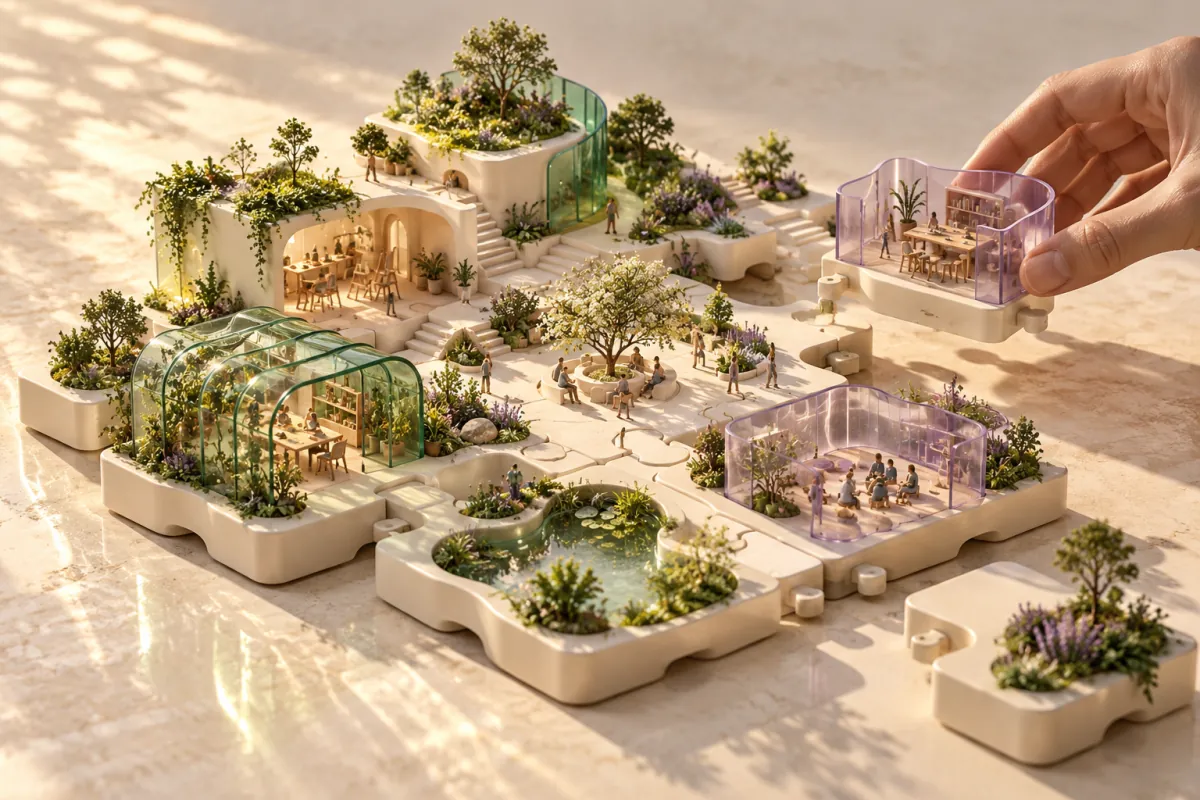
Roblox brings creating and experiencing games into a shared platform. We see a larger possibility in that pattern: the places people inhabit can also be the places they help create.
Bring that idea into everyday life. A dashboard for your community. A site for a project that began over dinner. A skill that handles a frustrating piece of work. A learning space built around how you actually think.
You can begin with something another person made, change it through conversation, connect it to your world, and share what you improve. A creator’s work becomes material for the next creator.
That is the future we mean by Robloxification: an internet of living, remixable environments, with creation built into the experience. Its reach extends across work, learning, community, and the small practical things that make a life better.
Every useful thing can become
a place to begin.
We build
the builder.

Cocreator should belong to the same creative process as the things made within it. The assistant, its interfaces, its skills, and the way it helps us work should all be open to improvement by the people using them.
Someone makes a better way to compare ideas. Someone else improves how the assistant explains its work. A community develops a dashboard that helps it coordinate. Another person turns a repeated success into a skill others can use.
Improvements should have a visible history, credit for their contributors, and a path for people to try, compare, and adopt them. People should be able to choose a version, make a fork, and carry useful work forward.
The people shaping the future should be able to shape the tools that shape it.
A network
of intentions.
Google’s mission begins with organizing the world’s information. Our ambition begins with the next question: what do people want to do with what they know?
An intention carries a purpose, a context, and a human being who cares about the outcome. Organizing intentions means helping that purpose find the people, knowledge, skills, and tools that can move it forward.
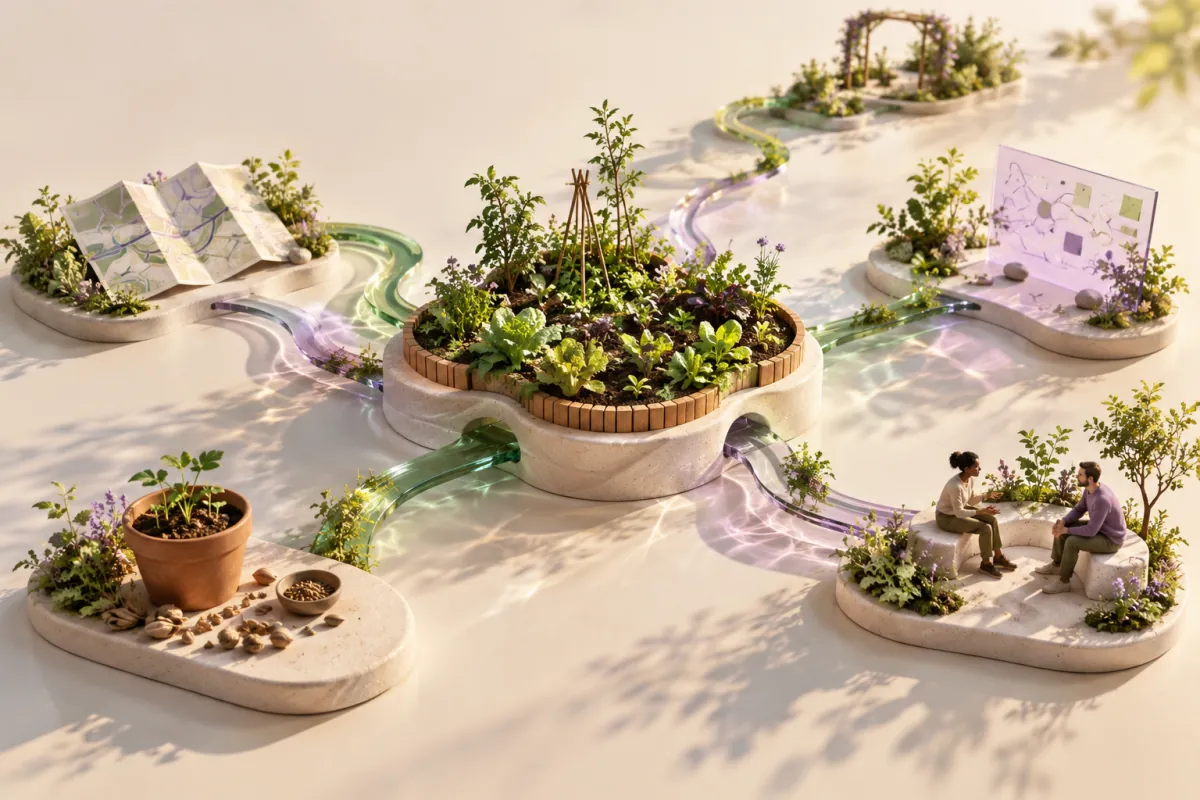
“I want to start a neighborhood garden” might find a planning skill, a map, a shared budget, people nearby who want the same thing, and a useful structure another neighborhood already built.
The result can feed the next person’s beginning. Knowledge becomes capability. Individual effort becomes shared possibility.
A person chooses which intentions remain private and which enter a shared space. An intention is an invitation to help, and its author keeps the ability to change direction, withdraw it, or decide when enough has been done.
Let usefulness
earn its place.
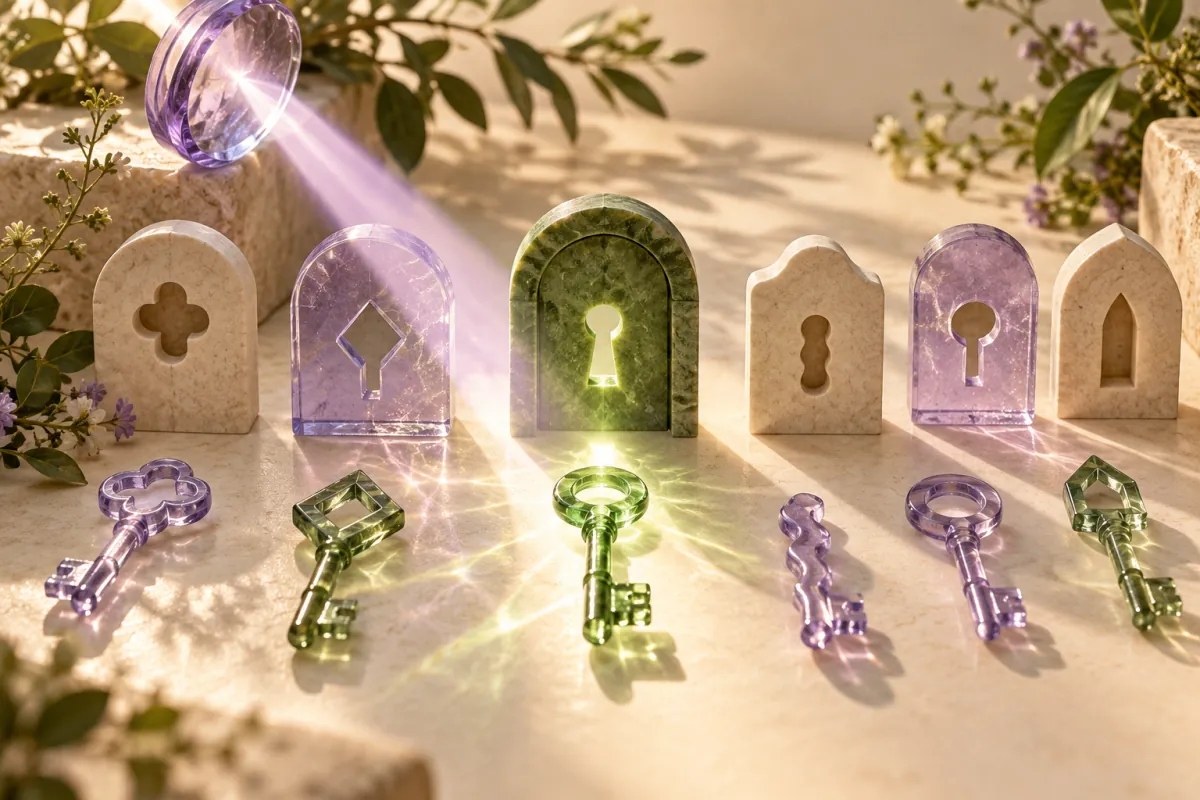
A world anyone can build needs a good way to discover what is worth using. Sites, dashboards, skills, and improvements to Cocreator should earn visibility through how well they serve an intention.
The useful question is specific: which of these helps this person do this thing, in this context? A beautiful public dashboard and a simple private checklist can each be the right answer.
The ranking principles we want to build:
- 01
Fit the intention.
Match the actual task, context, accessibility needs, budget, and preferences. Let people choose the tradeoffs that matter to them.
- 02
Demonstrate usefulness.
Learn from completed work, reliable results, and feedback from people who used it. Give new creations a fair path to be tried. Show where evidence is still thin.
- 03
Make trust inspectable.
Reveal who made it, what it costs, what access it needs, and what its claims are based on. Keep the reasons for a recommendation visible and open to challenge.
- 04
Reward improvement.
Recognize maintenance, useful adaptations, and contributions that help others succeed. Preserve credit as work is remixed, and keep discovery responsive to better alternatives.
Attention and paid promotion are poor substitutes for that evidence. Sponsored placement should be clearly separate from earned recommendations. Popular tools should stay open to comparison; people should be able to explore alternate rankings and move their work elsewhere.
Rank should help a useful creation find the person who needs it.
These are proposed principles for the ecosystem. A shared catalog and ranking system are part of the vision, and are not live features of today’s preview.
Intelligence
over hierarchy.
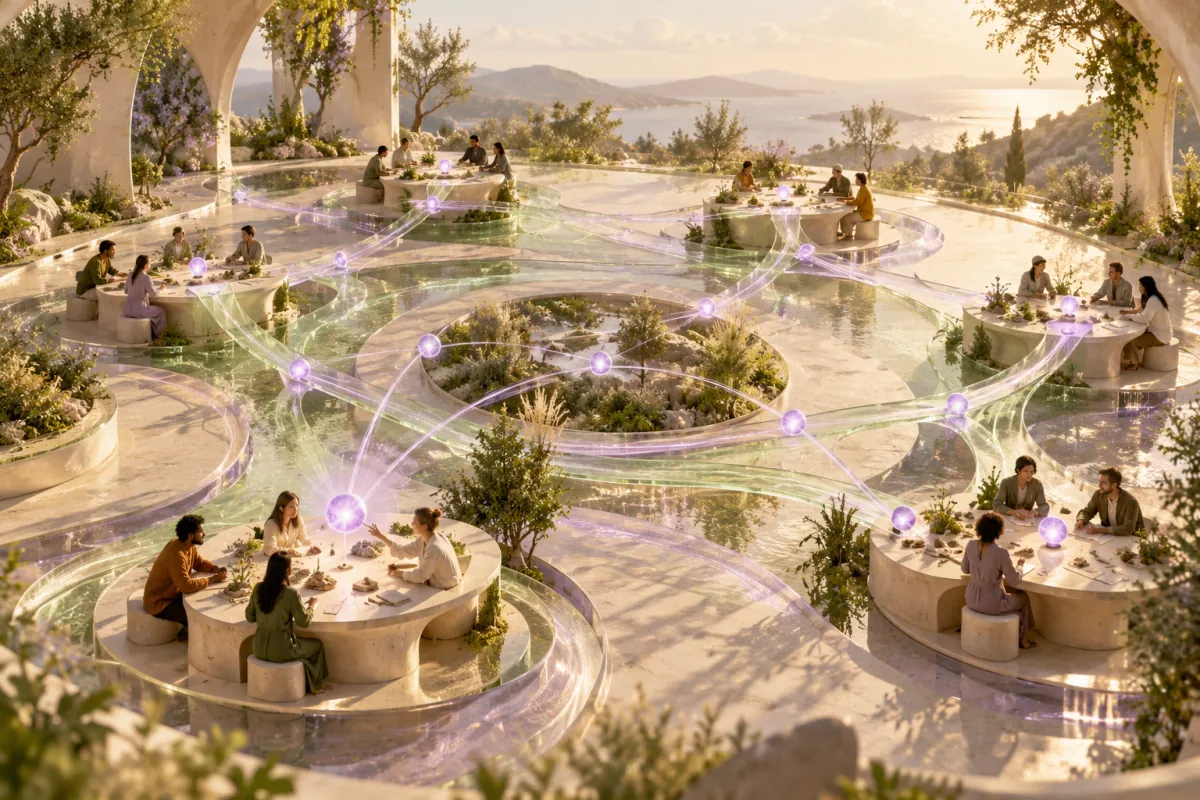
Intelligence is the ability to understand a situation, imagine a better possibility, and find a way to bring it about. It lives in people, in groups, and increasingly in the tools we make together.
We want a world where a useful idea can earn a hearing wherever it begins. Where a person can contribute because they see a path forward. Where evidence can change a decision, and coordination can form around a shared intention.
When people can create the tools, test alternatives, and carry improvements forward, more intelligence can participate. Influence can follow demonstrated contribution. Leadership can emerge around the work and change as the work changes.
Responsibility still matters. People need to know who made a decision, who can change it, and how to challenge it. Human judgment, consent, and the freedom to leave belong inside the design.
Let the best idea
come from anywhere.
Give it a way to become real.
This is the deeper purpose of Cocreator: a tool for making intelligence more capable of coordinating our lives and our shared future. A way for imagination and practical ability to travel further than a title, an institution, or permission from the right room.
The future
has co-creators.
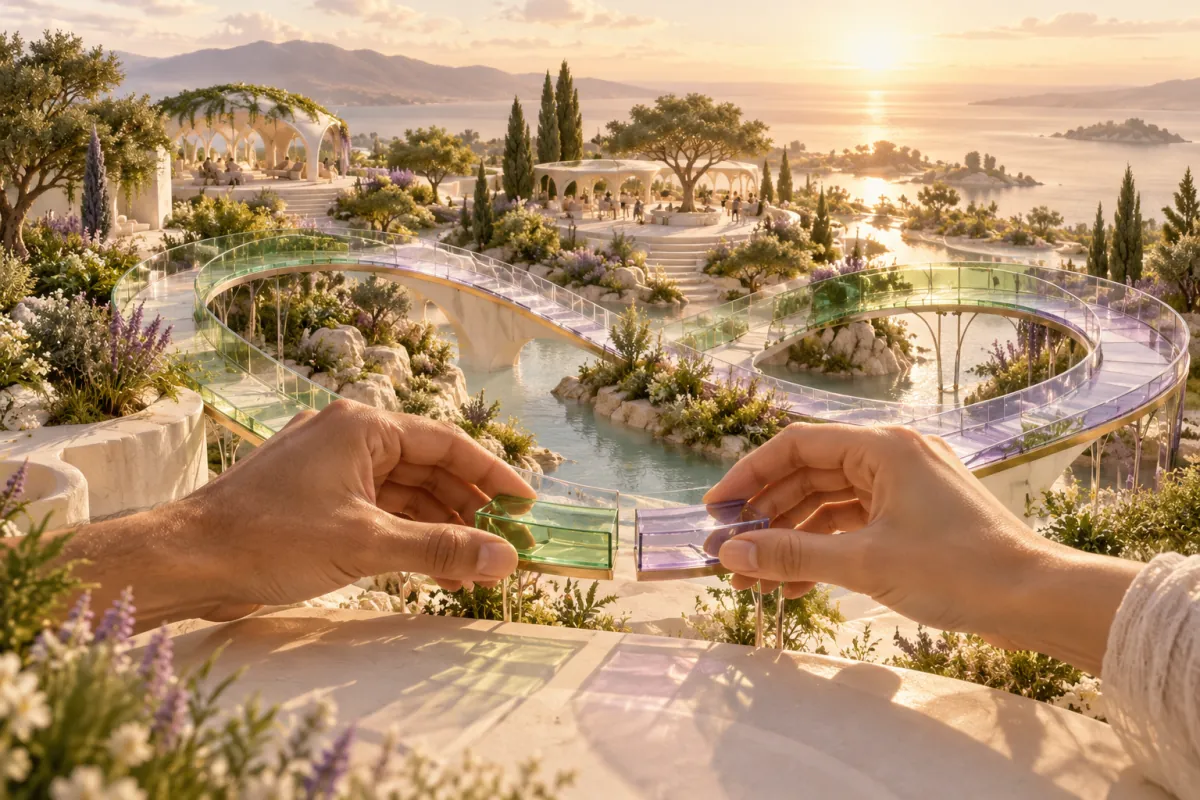
We begin with a small presence in the corner of a screen. A conversation. A useful next step. A little more room between having an idea and being able to act on it.
The horizon is much larger: a living internet where people co-create the spaces they use, the skills they rely on, the intelligence beside them, and the systems through which they work together.
Make something useful. Improve something that already exists. Share a skill. Help someone else begin. Bring your judgment to the tools, and your imagination to what they could become.
We have more ways to find information than ever.
Let’s build better ways to make our intentions real.